- Since the Renters’ Rights Act came into play in May 2026, landlords in England are now restricted in how much rent they can ask for upfront.
- Many international tenants still struggle because landlords want financial reassurance, especially if there is no UK credit history and no UK-based guarantor.
- Professional guarantor services like Rentmigo offer a way for tenants to rent without tying up thousands of pounds upfront.
No, paying 6 months’ rent upfront is not always better than using a guarantor, and since the Renters’ Rights Act came into force in May 2026, landlords in England are now more restricted when it comes to asking tenants for big upfront rent payments.
If you are moving to the UK as an expat, international student or overseas professional, you have probably already come across the guarantor issue.
You find a property you like, everything seems to be moving forward, and then suddenly the landlord asks for either:
- A UK-based guarantor
- Or several months of rent upfront.
For years, paying 6 months in advance became one of the most common ways international tenants secured a rental in the UK, especially if they did not have UK credit history or family living here.
But the rental market is changing quickly.
Under the new Renters’ Rights Act rules, landlords can no longer ask tenants for 6 months’ rent upfront. That means guarantors are becoming far more important in the UK rental process.
And for international tenants who do not have family or friends based in the UK, professional guarantor services like Rentmigo are becoming an increasingly popular option.
If you are trying to rent in the UK without a guarantor, Rentmigo can help by acting as your professional rent guarantor.
Get started with Rentmigo today.
Why landlords used to ask for 6 months’ rent upfront
For many landlords, asking international tenants to pay 6 months upfront was mainly about reducing risk.
If someone had just moved to the UK, they might not have:
- UK credit history
- A permanent UK job yet
- Previous UK landlord references
- A UK-based guarantor
That did not automatically make them a bad tenant. But from a landlord’s perspective, it made the application harder to pass through normal referencing systems.
So instead, landlords often asked for a upfront payment to give themselves financial reassurance that rent would be paid.
This became especially common for:
- International students
- Expats moving for work
- Freelancers and contractors
- Tenants on visas
- People building UK credit history for the first time
In cities like London and Manchester, it became incredibly common for tenants without a guarantor to be asked for 6 or even 12 months of rent upfront. The problem is, that creates a huge financial barrier.
If your rent is £1,500 per month, paying 6 months upfront means finding £9,000 before you have even covered your deposit, moving costs, bills or furniture.
For many renters, that was never realistic.
What changed under the Renters’ Rights Act?
Since the Renters’ Rights Act came into force in May 2026, landlords in England are now heavily restricted in how much rent they can ask for upfront.
In most standard private tenancies, landlords can now only ask for one month’s rent in advance once the tenancy agreement has been signed.
They also cannot pressure tenants into paying large amounts upfront as a condition of securing the property.
That means the old approach of routinely asking international tenants for 6 months upfront is now much harder to justify legally.
There are still some exceptions, including certain university accommodation and situations where tenants live in the same building as the landlord, but across much of the private rental market, the rules are now far stricter than before.
For international tenants, this changes the conversation completely.
Because if landlords cannot rely on large upfront rent payments in the same way, many now rely far more heavily on guarantors instead.
So, are guarantors now more important?
In many cases, yes. Landlords still want reassurance that the rent will be paid if something unexpected happens during the tenancy.
The difference is that now, instead of relying on huge upfront payments, landlords increasingly rely on:
- Guarantors
- Affordability checks
- Professional referencing
- Proof of income or savings
That creates a challenge for many international tenants because most landlords still prefer guarantors who are based in the UK.
This is one of the biggest hurdles expats and international students face when renting in the UK.
You may have the income, you may have savings, you may already have a job offer.
But if you do not have someone in the UK who can legally act as your guarantor, the process can still become difficult.
This is exactly where professional guarantor services like Rentmigo can help.
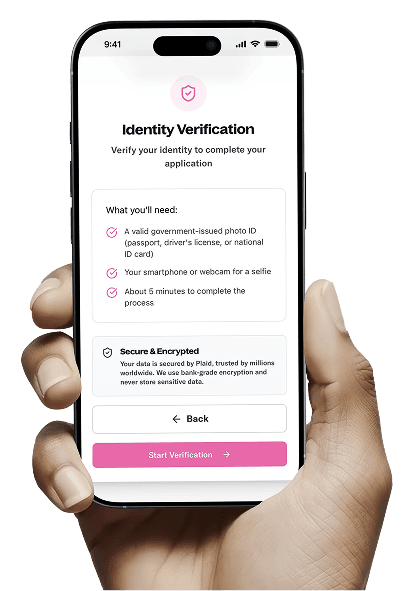
Instead of relying on family or friends living in the UK, you apply online and, if approved, Rentmigo acts as your rent guarantor directly.
Get started with Rentmigo today.
What actually is a rent guarantor?
A rent guarantor is someone who agrees to cover rent payments if the tenant cannot pay. From the landlord’s perspective, this reduces financial risk and makes the tenancy feel more secure.
Traditionally, this would usually be a parent, family member, partner or close friend. But landlords often have strict criteria around who qualifies.
When renting in the UK, most landlords expect the guarantor to:
- Live in the UK
- Pass credit checks
- Show stable income
- Have strong financial history
- Sometimes own property
This is why many international tenants struggle.
Even if your parents overseas are financially secure, landlords may still reject them simply because they are not based in the UK.
If you are unsure who can legally act as a guarantor, this guide explains it in more detail: Who can legally be a guarantor in the UK?
Is paying upfront ever still useful?
In some situations, tenants may still choose voluntarily to pay rent upfront.
For example:
- If they want to strengthen an application
- If they are between jobs
- If they are self-employed
- If they are renting luxury property
- If they want to simplify monthly budgeting initially
But importantly, there is now a major difference between choosing to pay upfront voluntarily and feeling forced into it because you cannot access the rental market otherwise.
That distinction is becoming increasingly important under the new rental rules.
For many tenants, using a professional guarantor service is now far more flexible than tying up thousands of pounds in advance rent.
Why professional guarantor services are becoming more popular
Professional guarantor services have become more popular in recent years because they solve a very modern rental problem.
The UK rental market still relies heavily on traditional referencing systems.
But modern renters do not always fit neatly into those systems.
Many tenants today are:
- Moving internationally
- Working remotely
- Freelancing
- Contracting
- Studying abroad
- Building new careers
- Living between countries
That means plenty of financially responsible renters still struggle with traditional guarantor requirements.
Professional guarantor services help bridge that gap.
Rather than relying on personal connections in the UK, tenants can apply digitally and receive a fast decision.
For landlords, it provides reassurance, for tenants, it removes one of the biggest barriers to renting.
If you want to understand the process in more detail, you can also read:
How do online guarantor services work?
What happens if you cannot find a guarantor?
A lot of renters assume that no guarantor means no chance of securing a property, but that is not necessarily true.
You still have options, including:
- Professional guarantor services
- Alternative affordability checks
- Showing proof of savings
- Providing employment contracts
- Using specialist expat-friendly letting agents
The important thing is understanding the process early, before you start applying for properties.
This guide explains more about your options:
What do I do if I can’t find a rent guarantor?
So, what is better: paying upfront or using a guarantor?
For many tenants in 2026 and beyond, using a guarantor is now becoming the far more realistic route.
Since the Renters’ Rights Act came into force, landlords can no longer routinely ask for large upfront rent payments in most private tenancies, so many now rely far more heavily on guarantors instead.
The challenge for international renters is that traditional UK guarantors are not always available. That is why professional guarantor services are becoming such an important part of the modern rental market.
If you are moving to the UK and worried about the guarantor process, Rentmigo can help you move forward without needing family or friends based in Britain.