- The Renters’ Rights Act is now in effect in England and has changed how private renting works, including banning Section 21 evictions, ending fixed-term tenancies and restricting large upfront rent payments.
- International tenants may benefit from stronger rights, but may also face more guarantor requests because landlords can no longer ask for 6 or 12 months of rent upfront.
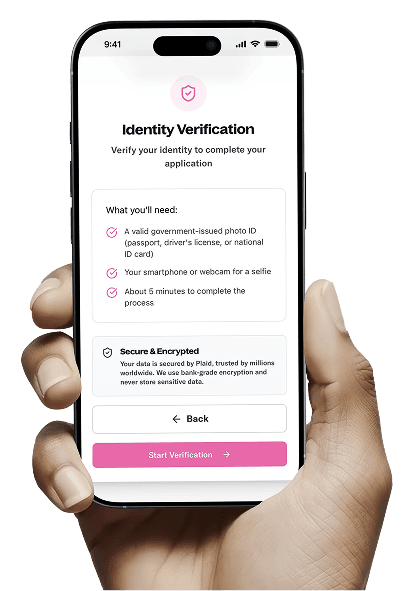
- If you do not have a UK-based guarantor, Rentmigo can help by acting as your professional rent guarantor and helping you move forward with your rental application.
The Renters’ Rights Act affects international tenants by giving them stronger protections, but also making UK-based guarantors more important because landlords can no longer rely on large upfront rent payments in most private tenancies.
If you are an international student, expat or professional moving to the UK, you may already know that renting here can feel complicated.
- You need to prove your right to rent.
- You may not have UK credit history.
- You may not have previous UK landlord references.
- And, in many cases, you may be asked for a UK-based guarantor.
The Renters’ Rights Act, which came into force on 1 May 2026, has changed that process even further. Some changes are good news for tenants. You now have more protection from unfair evictions, clearer rules around rent increases and more flexibility to leave a tenancy.
But for international tenants, there is also one major challenge: Landlords can no longer routinely ask for 6 or 12 months of rent upfront, which was previously one of the main ways international renters secured properties without a UK guarantor.
That means more landlords are now likely to ask for a guarantor instead.
If you are trying to rent in the UK but do not have someone who can act as your guarantor, Rentmigo can help by acting as your professional rent guarantor.
Fancy giving it a try? Get started with Rentmigo today.
What is the Renters’ Rights Act?
The Renters’ Rights Act is a major change to the private rental market in England.
It was introduced to give renters more security, protections and make renting more flexible.
Some of the biggest changes include:
- The end of Section 21 “no-fault” evictions
- The end of fixed-term tenancies
- New rolling tenancies
- Restrictions on rent in advance
- Limits on rent increases
- A ban on rental bidding wars
- Stronger rules around written tenancy information
For tenants, this means more rights and more flexibility, but it also means landlords are changing how they look at rental applications.
That is where international tenants may feel the biggest impact.
Rent in advance is now heavily restricted
This is one of the most important changes for international tenants.
Before the Renters’ Rights Act, many international students, expats and overseas professionals secured rentals by paying several months of rent upfront.
For landlords, this reduced the risk of renting to someone without UK credit history or a UK-based guarantor.
For tenants, it was expensive, but it sometimes helped them get approved. Now, that route is much more limited.
Since 1 May 2026, landlords in England can no longer request more than one month’s rent in advance in most private tenancies.
That means a landlord cannot usually say: “Pay 6 months upfront or we will not rent to you.”
For many tenants, this is good news because it lowers the amount of money needed to move into a property, but it also creates a new problem.
If landlords can no longer ask for large upfront payments, they may look for reassurance somewhere else...and that often means asking for a guarantor.
Why this matters for international tenants
International tenants have often relied on upfront rent because they do not always have the documents UK landlords are used to seeing.
You may not have:
- A UK credit history
- Previous UK landlord references
- A UK-based family member
- A long-term UK employment record
- A UK guarantor
That does not mean you are a bad tenant. It just means you are harder to assess through the usual UK referencing system.
Before the new rules, some landlords were willing to accept several months of rent up front instead. Now, that option is far more restricted.
So, if you are an international tenant, you may find that landlords ask more directly for a UK-based guarantor.
That is where Rentmigo can help.
If you can afford the rent but do not have someone in the UK who can act as your guarantor, Rentmigo can step in as your professional rent guarantor.
Get started with Rentmigo today.
Section 21 no-fault evictions have been abolished
Another major change is the end of Section 21 evictions. Before the Renters’ Rights Act, landlords could use Section 21 to ask tenants to leave without giving a specific reason.
That has now changed. From 1 May 2026, landlords can no longer use Section 21 to evict tenants. Instead, they need a legally valid reason, known as a ground for possession.
For international tenants, this provides more security. It means your landlord cannot simply ask you to leave without using the proper legal process.
However, there are still valid reasons a landlord can seek possession, including serious rent arrears (months of unpaid rent), anti-social behaviour, property damage or wanting to sell the property.
So while tenants have stronger protection, paying rent on time and following the tenancy agreement is still extremely important.
Fixed-term contracts have ended for most private rentals
The Renters’ Rights Act has also ended fixed-term tenancies in most private rentals. Instead, tenancies now work as rolling periodic tenancies.
In plain English, this means you are no longer locked into a 12-month fixed contract in the same way.
You can usually leave by giving 2 months’ notice. For international tenants, this can be helpful.
If your job changes, your visa situation changes, or you need to move city, you may have more flexibility than before.
This is especially useful for:
- International workers on shorter contracts
- Expats testing a new area
- Postgraduate students unsure how long they need accommodation
- Tenants who may relocate for work
But there is another side to this.
Because tenants can leave with notice, landlords may feel they have less certainty about how long someone will stay. That may make some landlords more cautious during referencing. And again, that can lead to more requests for guarantors.
What does this mean for international students?
International students are one of the groups most affected by the Renters’ Rights Act.
Many international students used to secure accommodation by paying rent by the term, or sometimes even for the full year upfront.
That is now much harder in most private tenancies.
The Guild of Students notes that from 1 May 2026, landlords cannot request more than one month’s rent in advance, which means international students may be asked to provide a UK guarantor instead.
That can be a problem if your parents live overseas.
Most landlords want guarantors who are based in the UK because they are easier to verify and easier to pursue legally if something goes wrong.
So, for international students, the guarantor question may become even more important than before.
If you are an international student and do not have a UK-based guarantor, Rentmigo can help you move forward without needing to rely on family or friends in the UK.
What about student HMOs?
Student housing has some additional rules. If you are a full-time student renting in a house in multiple occupation, also known as an HMO, your landlord may be able to use a specific student possession ground in certain circumstances.
This is known as Ground 4A.
In simple terms, it can allow landlords to regain possession of a student property so it can be let to a new group of full-time students, but there are rules around how and when this can happen.
Student tenants should be given proper notice and information about their tenancy.
The main point is this: student renters still have stronger protections than before, but student housing can be slightly more complicated than normal private renting.
If you are unsure what type of tenancy you have, speak to your university accommodation office, student union or a housing adviser.
Rent increases are now more controlled
The Renters’ Rights Act also changes how rent increases work. Landlords can generally only increase rent once per year, and the increase must reflect market rent. Tenants can challenge rent increases they believe are above market rate at the tribunal.
For international tenants, this is useful because it gives more clarity. You should not be hit with repeated rent increases throughout the year, and if something looks unreasonable, there is a route to challenge it.
That said, rents in many UK cities are still high, so it is important to budget carefully before signing a tenancy.
Rental bidding wars are banned
Another important change is the ban on rental bidding wars. Landlords and agents can no longer invite or accept bids above the advertised rent.
This matters because international tenants can sometimes feel pressured to offer more money just to secure a property, especially in competitive cities like London, Manchester, Birmingham or Leeds.
The new rules are designed to make the process fairer, but can be an issue for tenants looking for their application to stand out.
The right to rent check has not changed
The Renters’ Rights Act has not removed the right to rent process.
If you are an international tenant in England, you still need to prove that you are legally allowed to rent.
This is usually done through the GOV.UK right to rent service using your immigration status and share code.
Landlords still need to complete these checks before the tenancy starts.
So, before applying for a property, make sure you have:
- Your passport
- Your visa or eVisa details
- Your share code
- Proof of student status or employment, if relevant
- Proof of funds or income
- Guarantor details or Rentmigo confirmation, if needed
Having these ready can make the process much smoother.
Will international tenants find it harder to rent?
Some international tenants may find it harder to rent, especially if they do not have a UK guarantor.
The Act gives tenants stronger rights, but it also changes how landlords manage risk.
Because landlords can no longer rely on big upfront payments in the same way, many are likely to lean more heavily on:
- Guarantors
- Affordability checks
- Proof of income
- Credit checks
- Referencing
For tenants with UK credit history and stable UK employment, this may be easy. For international tenants, it can be more complicated.
That does not mean you cannot rent.
It just means you may need to prepare earlier and have another route ready if you cannot provide a traditional guarantor.
What if you do not have a UK guarantor?
Not having a UK guarantor does not mean you cannot rent in the UK.
But it does mean you may need another solution.
You may be able to:
- Use a professional rent guarantor service like Rentmigo
- Show strong proof of income or savings
- Provide employment contracts or scholarship letters
- Use university accommodation support
For many international tenants, using a professional rent guarantor service is the most practical route.
Rentmigo was built for tenants who can afford the rent but do not have someone suitable in the UK to act as their guarantor.
Instead of relying on family or friends, you apply online. If approved, Rentmigo acts as your guarantor and helps give landlords the reassurance they need.
Get started with Rentmigo today.
So, how does the Renters’ Rights Act affect international tenants?
The Renters’ Rights Act gives international tenants stronger rights, more flexibility and better protection from unfair eviction. But it also changes how landlords assess risk.
Because 6 or 12 months of rent upfront is no longer a realistic route in most private tenancies, many international tenants will now need a UK-based guarantor or a professional guarantor service to secure a property.
That can feel frustrating, especially if you can afford the rent but don't have anyone in the UK to act as your guarantor.
Luckily, another option exists.
Rentmigo can help international tenants rent in the UK without relying on family or friends based here.
If you need help securing a property under the new rental rules, get started with Rentmigo today.